Tankless Water Heater Maintenance: What Charlotte Homeowners Need to Do Every Year
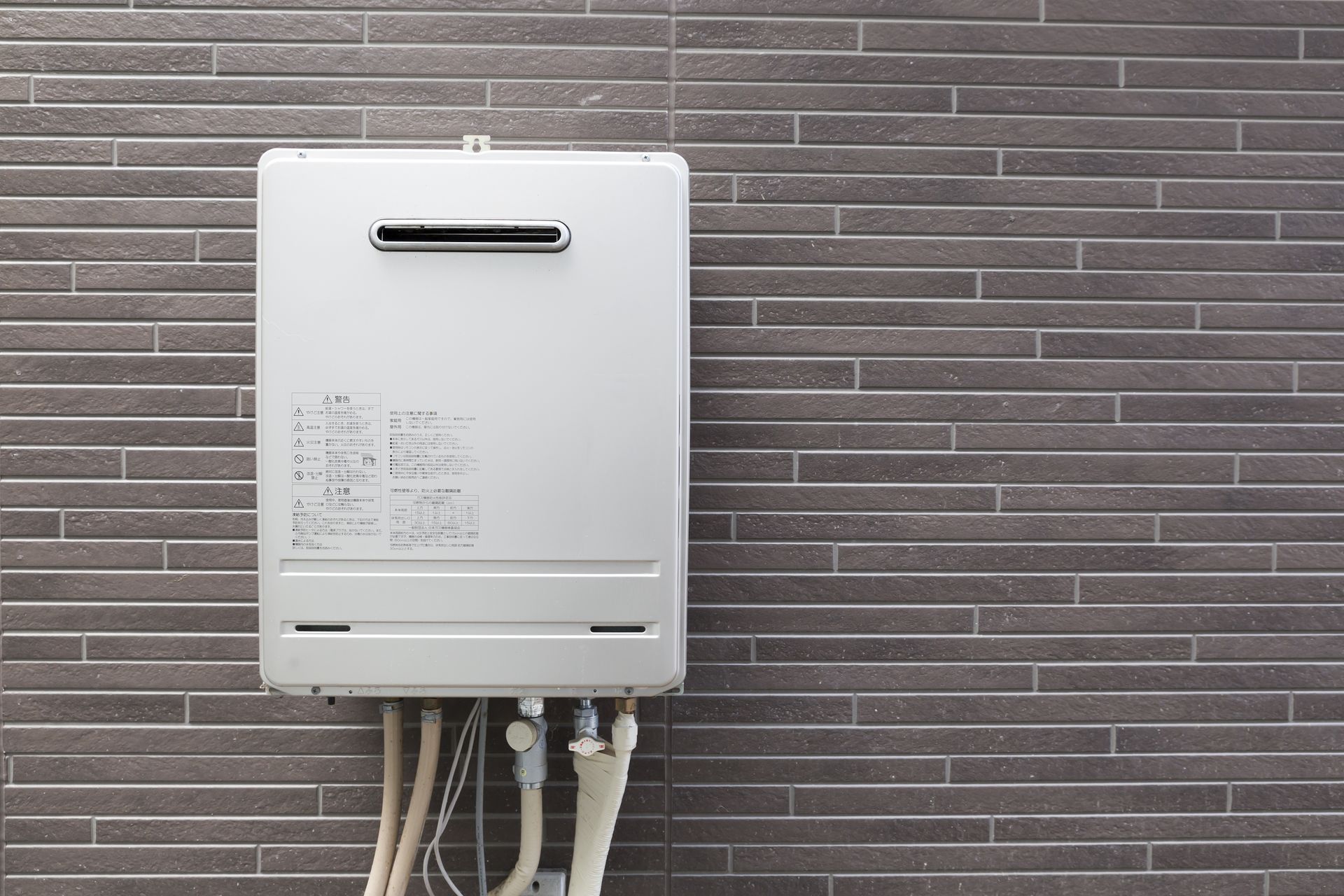
A tankless water heater is one of the best investments a Charlotte homeowner can make, lower energy bills, unlimited hot water, and a unit that can last 15 to 20+ years. But that lifespan is not automatic. It depends almost entirely on one thing most homeowners are never told about at installation: annual maintenance.
The most important of these is descaling, a process that removes mineral deposits from the heat exchanger, the component that actually heats your water. Skip it for a few years and you will pay for it in reduced efficiency, higher bills, and a shortened unit lifespan. Stay on top of it and your tankless unit will run like new for two decades.
This guide explains exactly what annual tankless maintenance involves, why Charlotte’s water supply makes it particularly important, and what you can handle yourself versus what needs a professional. If you want to skip to scheduling, call 980-217-1113.
Why Annual Maintenance Matters More Than You Think
Most homeowners who upgrade to tankless do so for the energy savings and the promise of never running out of hot water. What they are rarely told is that both of those benefits degrade over time without maintenance, specifically without descaling.
Here is what happens inside your tankless unit without annual service:
- Mineral deposits build up inside the heat exchanger. Every gallon of water that flows through your unit leaves behind trace amounts of dissolved calcium and magnesium. Over months and years, these accumulate as a white, chalky scale on the heat exchanger coils.
- Scale acts as insulation — in the wrong way. A layer of scale between the burner and the water forces the unit to work harder and burn more gas to reach your set temperature. Your energy bills creep up.
- Flow rate drops. Significant scale buildup narrows the water passages inside the heat exchanger, reducing flow rate and the unit’s ability to deliver full hot water output at multiple fixtures simultaneously.
- The unit errors more frequently. Most tankless units have error codes that trigger when components overheat or flow drops below threshold. Scale is one of the most common underlying causes of recurring error codes.
- Lifespan shortens. A tankless unit running hot against scale buildup wears its heat exchanger significantly faster. A unit that should last 20 years might need replacement at 10–12 if consistently undermaintained.
⚠️ Charlotte-specific note: Charlotte’s municipal water supply has moderate mineral hardness — not the highest in the country, but enough to cause meaningful scale buildup over 12 to 18 months of regular use. Charlotte homeowners with tankless units should not wait more than 12 months between descaling services. Homes with particularly high hot water usage (three or more bathrooms in regular use) may benefit from a service every 9 to 10 months.
The Complete Annual Tankless Maintenance Checklist
Here is everything that should be addressed in an annual service visit, and what each task actually does:
| Task | What it does | Frequency | DIY or Pro? |
|---|---|---|---|
| Descaling flush | Removes mineral deposits from heat exchanger | Annually | Pro recommended |
| Inlet filter screen clean | Clears debris from cold water inlet | Every 6–12 months | DIY friendly |
| Error code check | Identifies developing issues early | Annually | Pro |
| Venting inspection | Checks for blockages, bird nests, condensate buildup | Annually | Pro |
| Gas line check | Confirms no leaks at connections | Annually | Pro |
| Temperature setting verify | Ensures thermostat is accurate and safe | Annually | DIY friendly |
The Descaling Flush — What It Is and How It Works
Descaling is the centerpiece of every annual tankless service. Here is what the process actually involves, explained in plain language:
What descaling does
A descaling flush circulates a mild food-grade acid solution, typically white vinegar or a commercially formulated descaler, through the heat exchanger coils in a closed loop. The acid dissolves the calcium and magnesium deposits that have accumulated on the coil surfaces, breaking them down and flushing them out of the unit. The result is a heat exchanger that looks and performs close to when it was first installed.
What the process involves
- Shut-off. The technician isolates the unit using the cold water inlet and hot water outlet service valves that should have been installed with your unit. (If your unit does not have service valves, that gets corrected during this visit — they are essential for maintenance access.)
- Pump setup. A small submersible pump and reservoir of descaling solution is connected to the service valves, creating a closed circulation loop through the heat exchanger.
- Circulation. The descaling solution circulates through the heat exchanger for 45 to 90 minutes, dissolving scale deposits. The duration depends on how much buildup has accumulated since the last service.
- Flush. The system is flushed with fresh water to remove all descaling solution and dissolved scale residue before the unit is reconnected to normal water supply.
- Reconnect and test. The unit is reconnected, powered back on, and tested for proper ignition, temperature accuracy, and flow rate. The technician confirms the unit is operating correctly before leaving.
How long does it take?
A straightforward annual descaling service on a well-maintained unit takes 60 to 90 minutes. If the unit has gone two or more years without service and has heavier buildup, the process can take up to two hours. A unit that has never been descaled since installation may require an extended flush and a second pass.
What You Can Do Yourself vs What Needs a Professional
There are a few maintenance tasks homeowners can handle themselves, and several that should be left to a licensed plumber:
Homeowner tasks
- Inlet filter screen cleaning. Most tankless units have a small mesh filter screen on the cold water inlet connection. It catches debris from the water supply line and needs to be removed and rinsed every 6 to 12 months. Your unit’s manual will show you its location. Turn off the cold water supply valve, unscrew the filter housing, rinse the screen under running water, and reinstall.
- Temperature check. Once or twice a year, verify your unit is actually delivering water at the temperature it is set to. If your shower is running noticeably hotter or cooler than before, the thermostat may need calibration — a task for a technician.
- Visual exterior check. Look at the unit periodically for any signs of moisture, corrosion around fittings, or unusual deposits on the exterior. If you see any of these, call for a service visit.
Professional tasks
- Descaling flush. While some homeowners attempt DIY descaling with vinegar, the process requires proper pump equipment, correct solution concentration, sufficient circulation time, and a proper flush afterward. Underdone descaling creates a false sense of security. Overdone or improperly done descaling can damage seals.
- Venting inspection. Gas tankless units require proper venting to exhaust combustion gases. Blockages, bird nests, condensate buildup, and improper venting pitch are safety issues that require a professional check.
- Gas line and connection check. A technician checks for any micro-leaks at gas connections during the annual visit. This is not a homeowner task.
- Error code diagnosis. If your unit is throwing error codes, a professional reads the unit’s diagnostic log and identifies the root cause. Many error codes have multiple possible causes that require professional diagnosis to distinguish correctly.
Signs Your Charlotte Tankless Unit Is Overdue for Service
If you are unsure when your unit was last serviced, or if it has never been serviced since installation, watch for these signals that maintenance is overdue:
- Energy bills creeping up — your unit is working harder than it should because scale is insulating the heat exchanger
- Hot water takes longer to arrive at fixtures — flow rate reduction is a common early sign of significant scale buildup
- Temperature inconsistency — water runs hot then slightly cooler during a single shower, or temperature varies between fixtures
- Error codes appearing — recurring error codes on the unit’s display, even if they clear themselves, indicate the unit is operating outside its normal parameters
- Longer heating cycles — you can hear the unit running for longer than usual before hot water arrives; the burner is compensating for scale insulation
- Unit is 2+ years old and has never been serviced — skip the signs and just schedule a maintenance visit; Charlotte’s water hardness means scale is already present regardless of symptoms
Charlotte Water Quality and Your Tankless Unit
Charlotte’s water comes primarily from Mountain Island Lake and is treated by Charlotte Water. It is safe to drink and generally well-treated, but like most municipal water supplies in the Southeast, it carries dissolved minerals that affect tankless water heater maintenance.
Charlotte’s water hardness typically falls in the moderate range of 50 to 100 parts per million (ppm) of calcium carbonate equivalent. That is not as aggressive as water in cities like Phoenix or Dallas, but it is enough to cause visible scale buildup in a tankless heat exchanger within 12 to 18 months of regular use.
Some Charlotte homeowners in areas with particularly hard water or those with higher household water usage, may benefit from a water softener upstream of the tankless unit. A softener significantly reduces scale formation and can extend the time between descaling services. If you are curious whether a softener makes sense for your home, see our water filtration services.
What to Expect When You Schedule Annual Tankless Maintenance with Winn’s Plumbing
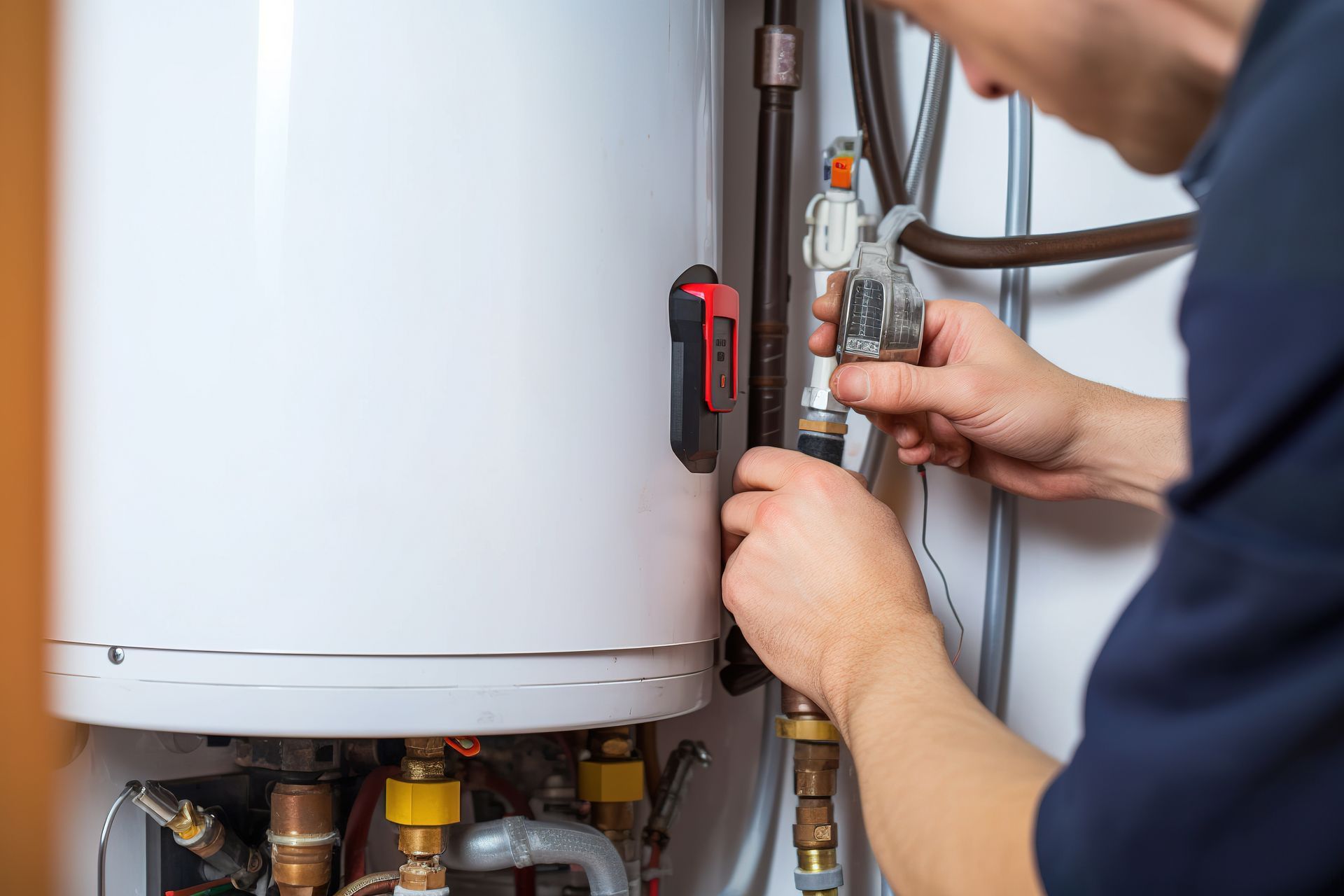
When you call 980-217-1113 or book online for a tankless maintenance visit in Charlotte, here is what the service includes:
- Full descaling flush of the heat exchanger (45–90 minutes)
- Cold water inlet filter screen inspection and cleaning
- Venting inspection for blockages, proper pitch, and condensate drainage
- Gas line and connection check for micro-leaks
- Unit error code diagnostic review
- Temperature accuracy verification
- Walk-through of findings and next service recommendation
After the visit, we tell you the condition of the heat exchanger, whether any components showed signs of wear, and when we recommend the next service based on your unit’s specific scale accumulation rate.
Schedule Your Annual Tankless Maintenance in Charlotte Today
If you own a tankless water heater in Charlotte and it has been more than 12 months since its last service, or if it has never been serviced, it is worth getting this done before scale buildup silently erodes the efficiency and lifespan you paid for. Learn more about tankless water heater installation and service here or call 980-217-1113 to book a maintenance visit.
Call now: 980-217-1113 — Annual tankless maintenance available throughout Charlotte
Tankless water heater installation & service | Water heater repair in Charlotte
Winn's Plumbing — Licensed & Insured • 5-Star Rated • Serving Charlotte, NC for 20+ Years
Recent Posts