
Why Does My Drain Keep Clogging in the Same Spot?

Winn's Plumbing • 26 October 2026

Share this article

You had the drain cleared three months ago. Now it’s slow again — or fully blocked. You plunged it, maybe poured something down it, and now you’re wondering why a drain you just had serviced is already causing problems again. The short answer is that a drain snake clears the immediate blockage but does not always address what caused it. If the same drain keeps clogging, something is going on inside the pipe that a surface-level clear does not fix.

Here are the six most common reasons drains clog repeatedly, and what it takes to actually solve each one.

1. Grease Buildup That Never Fully Clears

Kitchen drains are the most frequent repeat-clogger. Every time cooking oil, grease, or fat goes down the drain, it travels warm and liquid through the pipe, then cools, solidifies, and sticks to the pipe walls. A drain snake punches a hole through the accumulated grease to restore flow, but the buildup on the walls remains. Within weeks or months, it accumulates again and you’re back where you started.

The fix for grease-driven recurring clogs is hydro-jetting — a process that uses high-pressure water to strip the pipe walls completely clean rather than just clearing the center of the blockage. One hydro-jet service on a kitchen drain with significant buildup typically provides significantly longer-lasting results than repeated snaking.

2. Tree Root Intrusion

Roots from trees and large shrubs seek out the moisture inside underground drain and sewer lines. They enter through joints, cracks, and loose connections — starting as hairline threads and gradually thickening into a root mass that catches debris and eventually blocks the pipe entirely. A snake can cut through roots to restore flow, but roots grow back. Without removing the roots fully or addressing the pipe joint they entered through, the blockage returns.

Hydro-jetting combined with video camera inspection is the standard approach for root intrusion. The camera confirms whether the pipe itself is damaged. If roots have cracked the pipe wall, repair or relining may be needed to prevent re-entry.

3. A Belly or Low Spot in the Pipe

Pipes are installed with a consistent downward slope so waste flows toward the sewer. Over time — especially in older homes where soil has settled — a section of pipe can develop a belly: a low spot where waste water slows down, debris settles, and blockages accumulate. Clearing the blockage removes the debris but not the belly. The next time solid waste passes through, it settles in the same low spot.

A belly is diagnosed by video camera inspection — the camera shows standing water in the pipe or a visible dip in the line. Correcting it requires either pipe relining or excavation and re-laying of the affected section, depending on depth and severity.

4. Partial Pipe Collapse or Offset Joint

In older homes, drain pipes made of clay or cast iron can develop cracks, partial collapses, or joint offsets where sections no longer align. These create rough edges and gaps that catch debris on every flush. Clearing the blockage restores flow temporarily, but the structural defect catches the next wave of debris.

Like a belly, this is only diagnosable by camera. The camera shows the exact location and nature of the defect, which determines whether relining or replacement is the right fix.

5. Insufficient Pipe Slope

Drain pipes should slope at least 1/4 inch per foot toward the sewer. Pipes installed without enough slope — or pipes that have settled over time — drain slowly, allowing solids to settle before they reach the main line. The problem compounds with each flush until a full blockage forms. Snaking clears the blockage but the slow-drain condition returns immediately because the pipe geometry has not changed.

6. Hair and Soap Scum Buildup in Bathroom Drains

Bathroom sink, shower, and tub drain clogs are almost always hair and soap scum. These accumulate on the drain screen, the stopper mechanism, and the first few feet of the drain pipe. Clearing them with a snake or drain wand removes the immediate blockage, but if the stopper or screen is not cleaned and the buildup in the pipe is not fully removed, it re-accumulates quickly — especially in households with multiple people sharing the drain.

A professional clear combined with cleaning the stopper assembly and, where buildup is significant, a targeted hydro-jet of the first pipe section provides longer-lasting results than a snake clear alone.

How Video Camera Inspection Changes the Picture

The most important tool for a recurring drain clog is a video camera. Running a camera through the drain before clearing it shows:

  • The exact location and cause of the blockage
  • Whether grease, roots, a structural defect, or a combination is responsible
  • The condition of the pipe walls and joints
  • Whether clearing will actually solve the problem or whether pipe repair is needed

Without a camera, a plumber is making an educated guess. With one, the right fix becomes clear before any clearing starts. A recurring clog that gets camera inspection and targeted treatment is far less likely to come back than one that gets snaked and cleared without investigation.

When to Call a Plumber for a Recurring Drain Clog

If a drain has been cleared and come back within three months, a repeat snake clear is almost never the right answer. Call for a camera inspection instead. A good plumber will run the camera first, show you what is in the pipe, and quote the appropriate fix before starting.

For drain cleaning and sewer service throughout Charlotte and the surrounding metro, see our drain cleaning service. Camera inspection is included on every service call. Call 980-217-1113 during business hours to schedule.

Winn's Plumbing — Licensed & Insured • 5-Star Rated • Serving Charlotte & the Surrounding Metro

Recent Posts

White modern gas water heater
by Winn's Plumbing • 26 October 2026
Is a tankless water heater worth the investment? Compare installation costs, energy savings, lifespan, and maintenance for Charlotte homeowners.
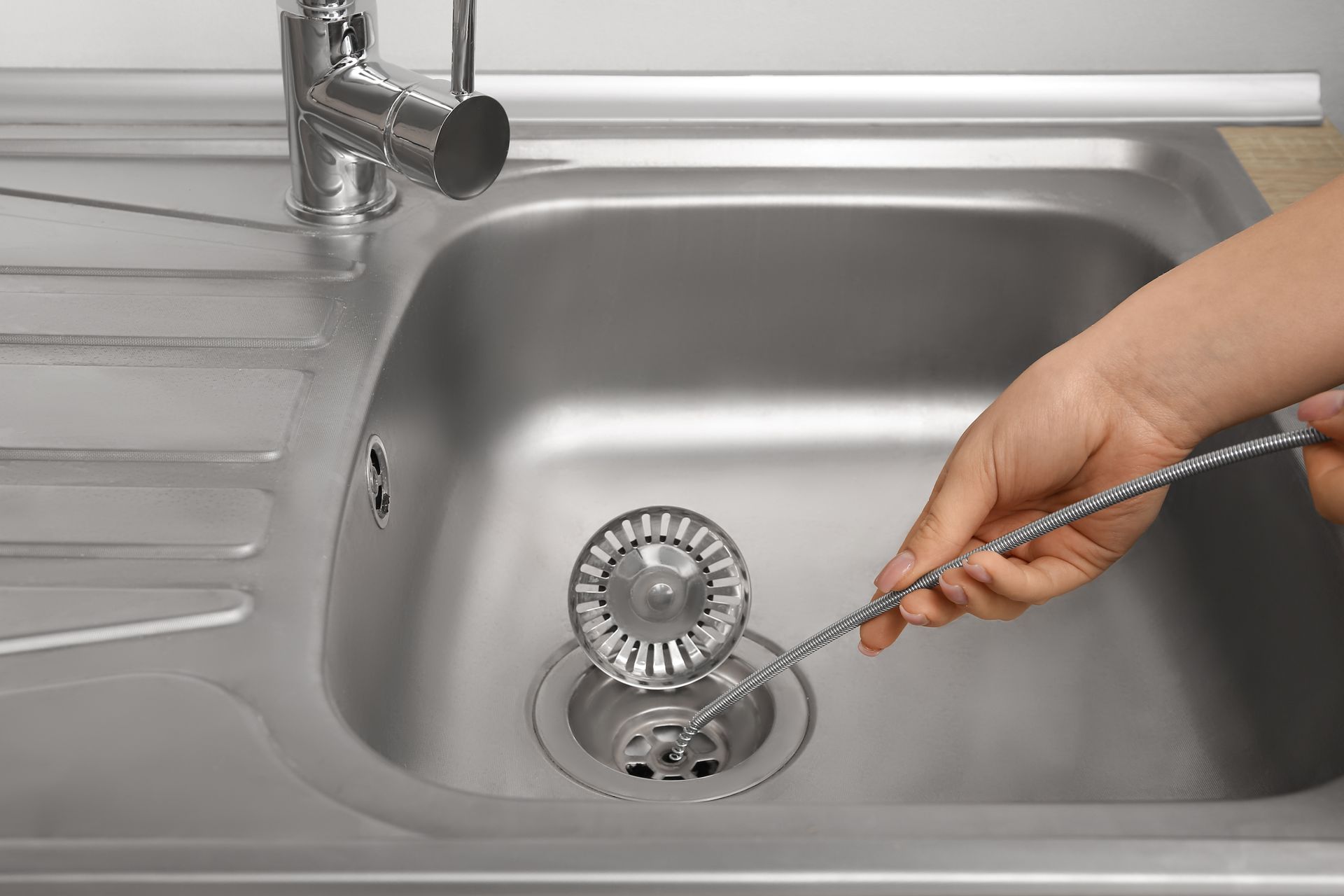
Cleaning a drain with a plumber's snake
by Winn's Plumbing • 26 October 2026
What affects drain cleaning costs in Charlotte, NC? Learn how clog location, pipe condition, and cleaning methods influence pricing.
Modern tankless water heater installed in a utility room
by Winn's Plumbing • 26 October 2026
Tank water heaters last 8–12 years. Tankless last 15–20+. Here’s how to find your unit’s age, the signs it’s failing, and what affects how long yours will last.

Plumber in Charlotte, NC
by Winn's Plumbing • 26 October 2026
Not sure how to pick a plumber in Charlotte? Here are 7 things to check before you hire — licensing, reviews, pricing practices, and red flags to avoid.
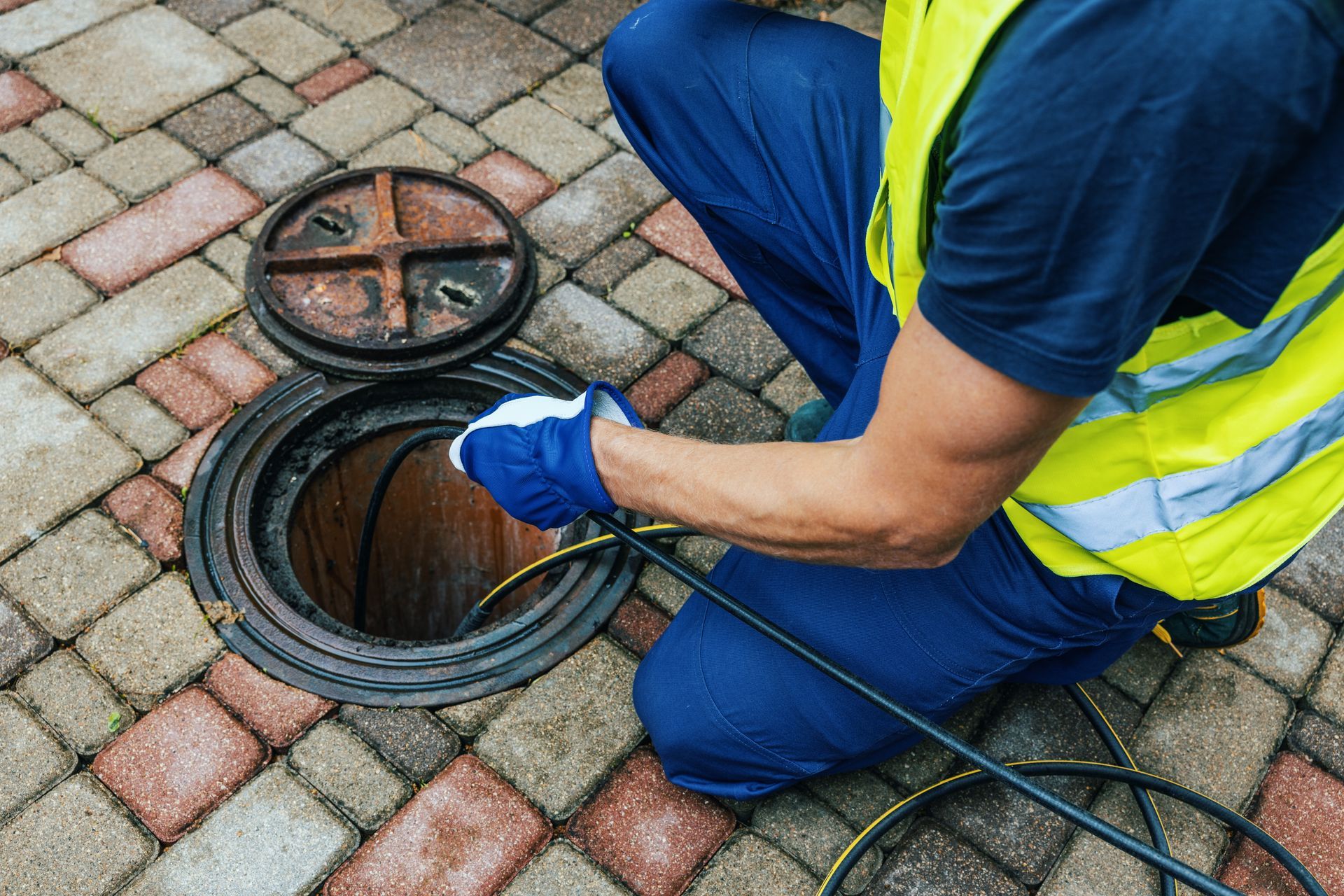
Worker cleaning blocked sewer line
by Winn's Plumbing • 26 October 2026
Root intrusion, grease buildup, pipe age — here’s what actually causes sewer line problems in Charlotte, which homes are most at risk, and how to prevent them.
Frozen water pipe in winter close-up
by Winn's Plumbing • 26 October 2026
Charlotte winters are mild but freeze events still happen. Here’s how to protect your pipes, water heater, and outdoor plumbing before temperatures drop.

Show More

