How to Prepare Your Plumbing for Winter in Charlotte, NC
Charlotte winters are mild compared to most of the country — but mild does not mean freeze-proof. The Charlotte metro averages 5 to 10 days per year below freezing, and it only takes one hard freeze for unprotected pipes to crack, outdoor faucets to burst, and water heaters to work significantly harder than they were designed for.
The good news is that winterizing your plumbing in Charlotte is not complicated. Here is a practical checklist that takes most homeowners two hours or less.
1. Protect Outdoor Faucets and Hose Bibs
Outdoor hose bibs are the most common source of winter pipe damage in Charlotte. Water left in an unprotected outdoor faucet freezes, expands, and can crack the faucet body or the pipe connection behind the wall.
- Disconnect and drain all garden hoses before the first freeze. A hose left attached traps water in the bib and prevents it from draining.
- Locate the shut-off valve for each outdoor faucet inside the house (typically in the basement, crawl space, or utility room). Shut it off and open the outdoor faucet to drain any remaining water from the line.
- If your outdoor faucets do not have interior shut-offs, install foam faucet covers (available at any hardware store) to provide insulation. This is a temporary measure — interior shut-offs are the proper long-term solution.
2. Insulate Exposed Pipes
Pipes in unheated spaces — crawl spaces, garages, uninsulated exterior walls, and attics — are vulnerable during freeze events. Charlotte’s older housing stock, particularly homes in established neighborhoods like Myers Park, Dilworth, and Cotswold with crawl spaces, frequently has exposed supply lines in below-grade spaces.
- Wrap exposed pipes in foam pipe insulation. It is inexpensive, easy to install without tools, and provides meaningful protection during short freeze events.
- Pay particular attention to pipes running along exterior walls or through unheated crawl spaces. These are the first to freeze.
- Seal any gaps or cracks in crawl space vents or access hatches to reduce cold air infiltration around pipes.
3. Know Where Your Main Water Shut-Off Is
If a pipe does freeze and burst, the first thing you need to do is shut off the water supply to the house. Knowing where the main shut-off is before the emergency — not during it — limits the damage significantly.
The main shut-off valve is typically located where the water supply line enters the home: near the water meter, in a utility room, in a crawl space, or in a basement. Locate it now, confirm it turns freely, and make sure everyone in the household knows where it is.
4. Check Your Water Heater Before Cold Weather Arrives
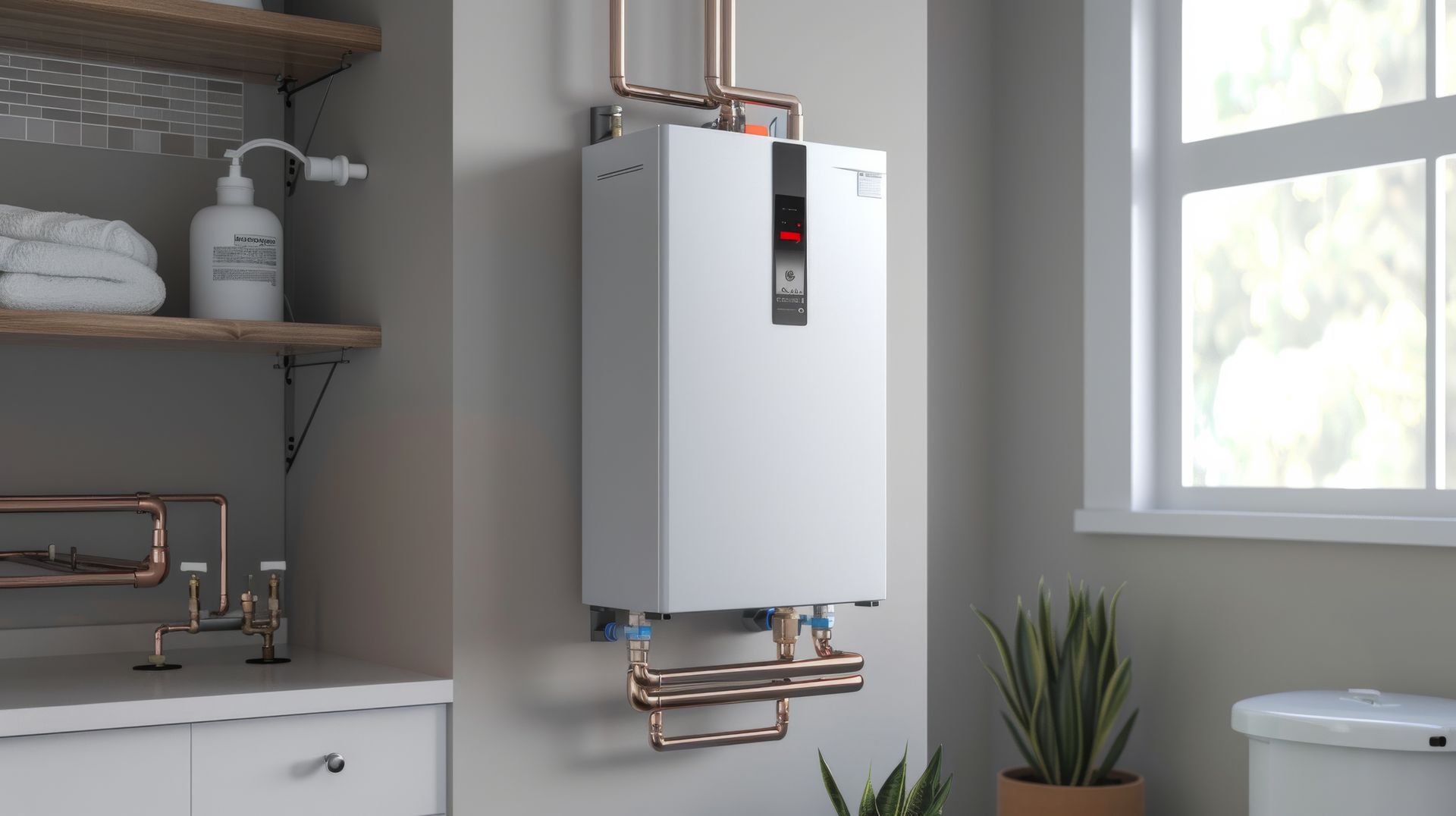
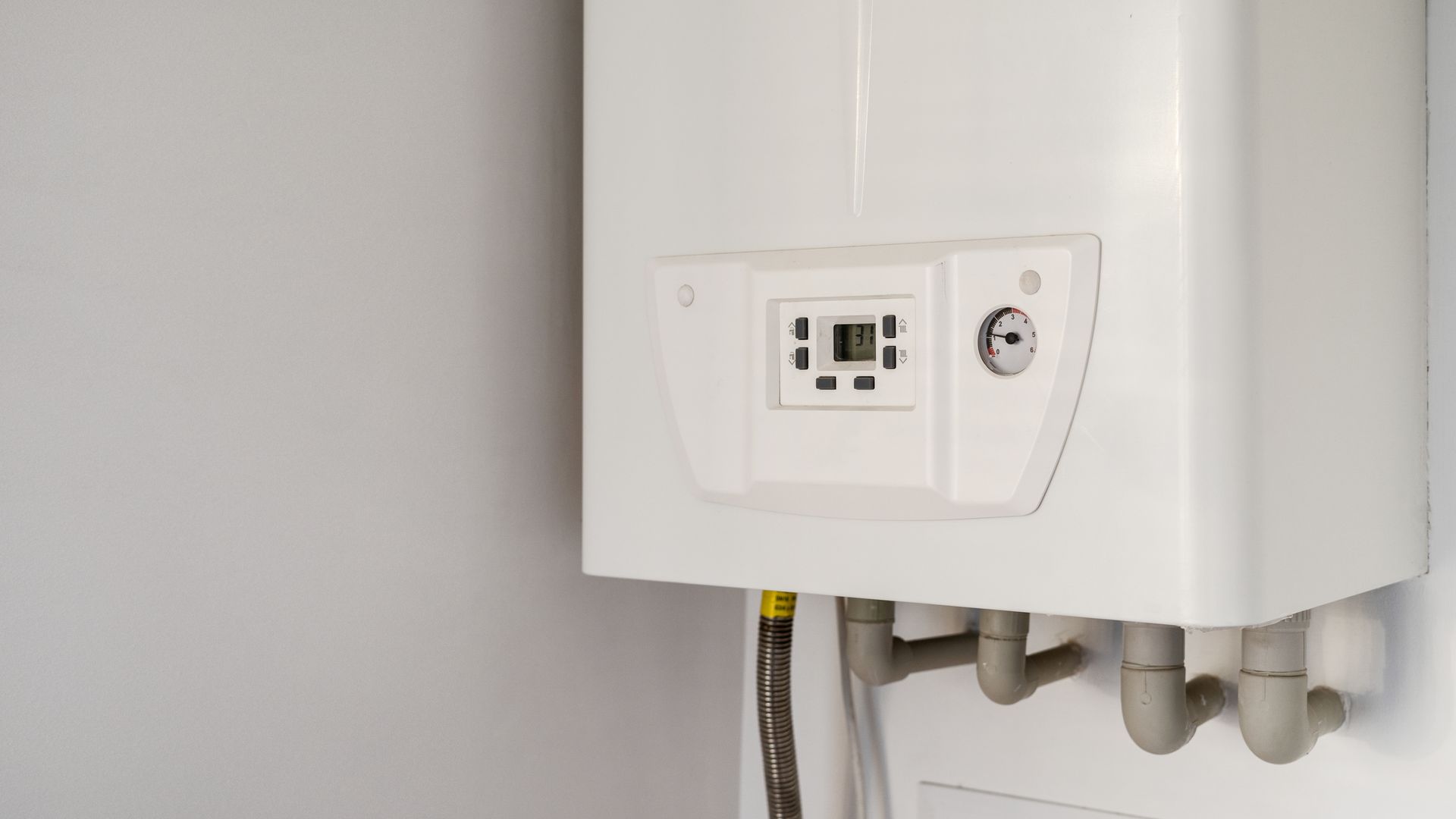
Water heaters work harder in winter. Incoming water is colder, which means the unit runs longer and cycles more frequently to reach the set temperature. A water heater that is already struggling — with sediment buildup, a failing heating element, or an ageing tank — often fails during the highest-demand period of the year.
- If your water heater is 8+ years old and has not been serviced in the past two years, schedule an inspection before temperatures drop.
- Check the temperature setting. Most water heaters are factory-set to 120°F. In winter, some homeowners raise it slightly to 125°F for faster recovery — but go no higher without professional guidance.
- Inspect the area around the unit for any signs of moisture, rust, or discoloration that were not there at the last inspection.
5. What to Do If a Pipe Freezes
If you turn on a tap during or after a freeze event and get no water, a pipe may be frozen. Here is what to do:
- Do not use an open flame or heat gun near pipes. These are fire hazards and can damage PVC pipes.
- Apply gentle heat with a hair dryer, portable space heater aimed at the pipe, or warm towels wrapped around the frozen section. Start near the open faucet and work toward the frozen area.
- Keep the faucet open while applying heat. As the ice melts, water will flow — which helps the thawing process.
- If you cannot locate the frozen section, or if the pipe has already cracked, shut off the main water supply and call a plumber during business hours.
6. Protect Plumbing During Extended Absences
If you are leaving the house for more than a few days during winter — holiday travel, extended trips — take these steps before you go:
- Keep the heat on at a minimum of 55°F. This is the most important single step for preventing freeze damage while away.
- Shut off the main water supply and drain the system if the house will be unoccupied for more than a week.
- Ask a neighbor to check on the house during extreme cold events.
For water heater service before winter, see our water heater repair page. For burst pipe emergencies and other urgent plumbing needs, see our emergency plumbing page. Call 980-217-1113 during business hours to schedule.
Winn's Plumbing — Licensed & Insured • 5-Star Rated • Serving Charlotte & the Surrounding Metro