Your hot water cuts out mid-shower. The tank is making a sound it has never made before. Or you are just noticing your energy bills
creeping up without explanation. The question most homeowners ask at this point is a reasonable one: should I fix this, or replace it?
The answer depends on four things — the age of your unit, what symptoms it is showing, what a repair would cost compared to replacement, and your plans for the home. This guide walks through each one plainly so you can make an informed decision before calling a plumber.
Start With the Age of the Unit
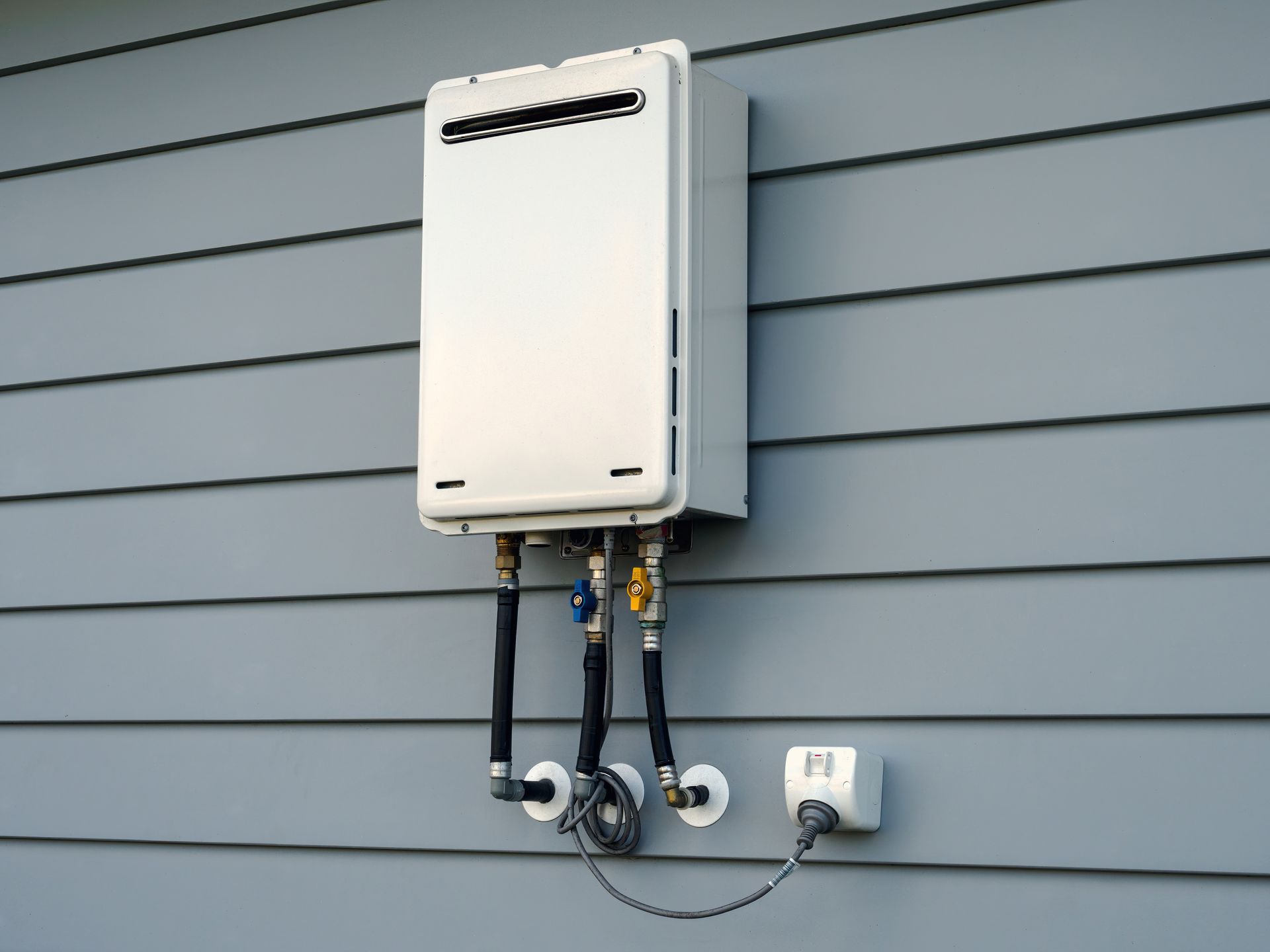
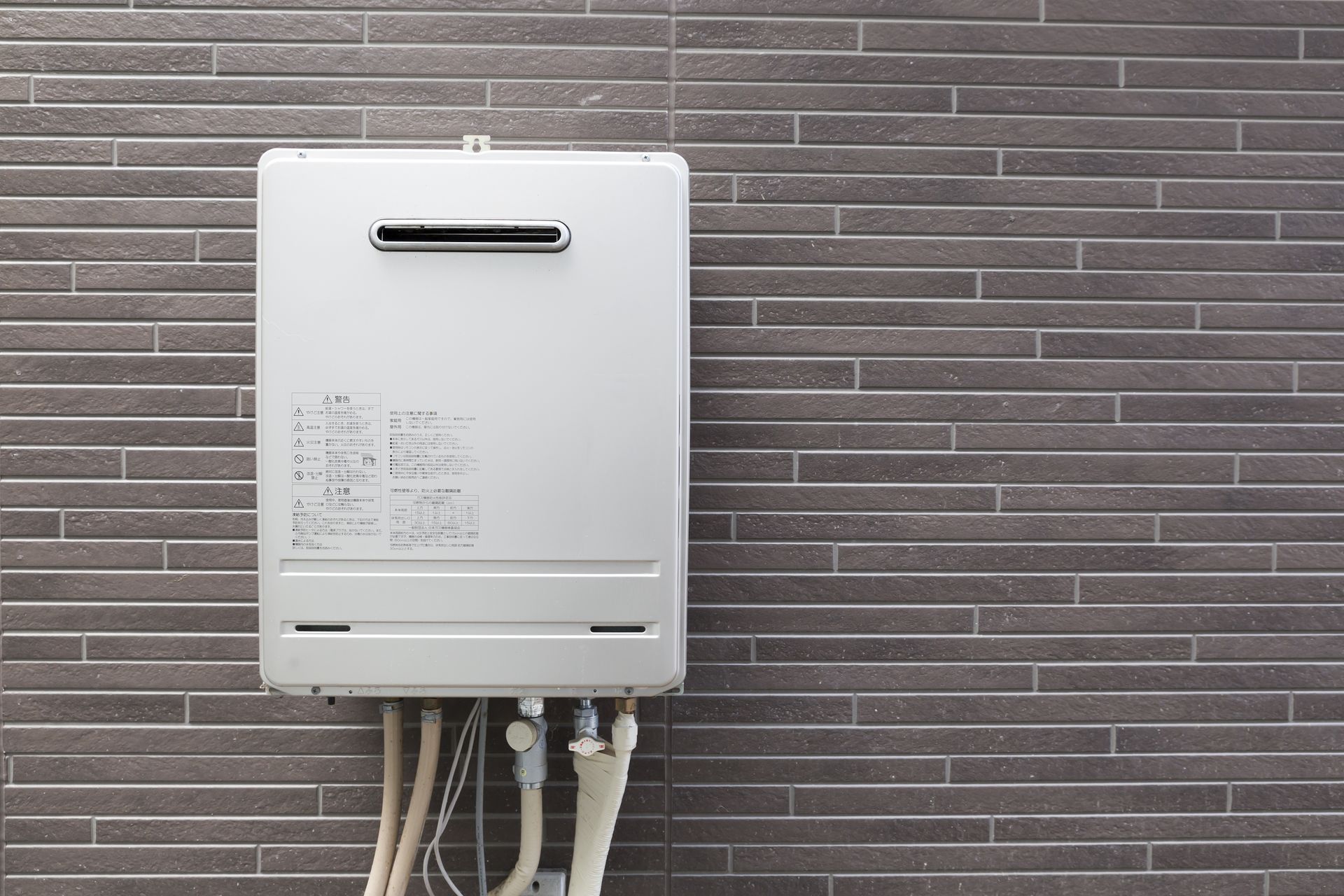
Age is the single most reliable predictor of whether repair or replacement makes sense. Tank water heaters have an expected lifespan of 8 to 12 years. Tankless units last 15 to 20+ years with proper annual maintenance.
Here is how to use age as your first filter:
• Under 8 years:
Repair is almost always the right call if the issue is an isolated component. The unit has useful life ahead of it and replacement is premature.
• 8 to 10 years: The borderline zone. Get a repair quote and a replacement quote and compare them against how long you plan to stay in the home.
• 10 years or older:
Replacement is usually the more financially sound decision unless the repair is minor and inexpensive. You are likely one or two failures away from needing it regardless.
You can find the age of your unit on the serial number label on the side of the tank. The format varies by manufacturer, but most encode the year and month in the first few characters. If you cannot decode it, a plumber can tell you at a glance.
Read the Symptoms
Age tells you the context. Symptoms tell you the severity. Here is what the most common water heater symptoms actually indicate:
Inconsistent water temperature
Water that runs hot then cold, or never gets as hot as it used to, usually points to a failing thermostat or heating element — both repairable components. On a unit under 10 years old, this is typically a repair situation.
Rumbling or popping sounds
These sounds come from sediment that has settled on the bottom of the tank and is being disturbed during heating cycles. Heavy sediment buildup reduces efficiency and can eventually damage the tank lining. On a newer unit, a sediment flush may resolve it. On an older unit, it signals the tank is degrading and replacement is approaching.
Rust-colored or discolored hot water
If your cold water runs clear but your hot water is discolored, the source is the tank. Internal corrosion has begun. This is not a repairable condition — it is a signal that the tank needs replacing regardless of age.
Visible moisture or pooling near the base
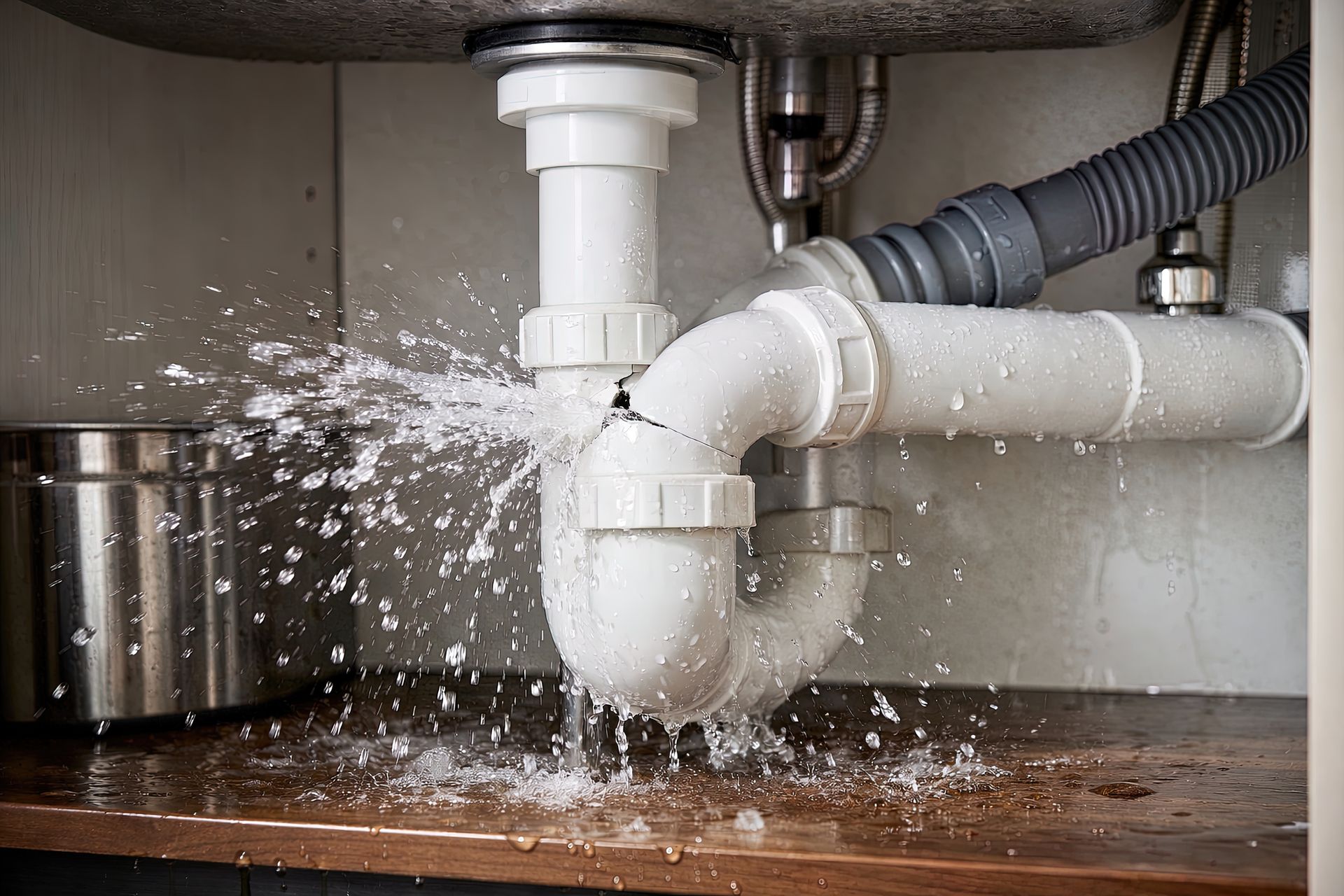
Any water around the base of the tank warrants immediate attention. A small amount of condensation is normal in humid conditions, but consistent pooling or moisture around fittings indicates a leak. If the leak is from the tank body itself rather than a fitting, replacement is the only fix.
Pilot light that will not stay lit (gas units)
A thermocouple failure is the most common cause and is a straightforward repair. If the pilot will not stay lit even after thermocouple replacement, the gas valve may be failing — a more significant repair that warrants comparing the cost against replacement on an older unit.
Apply the 50 Percent Rule
The clearest financial framework for the repair vs replace decision is the 50 percent rule: if the repair cost exceeds 50 percent of the cost of a new unit, replacement is almost always the better investment — especially on a unit that is past its midpoint lifespan.
A thermostat replacement on a 6-year-old water heater that costs $200 against a $950 replacement is an easy repair call. A $600 repair on an 11-year-old unit that will cost $950 to replace is a different calculation entirely.
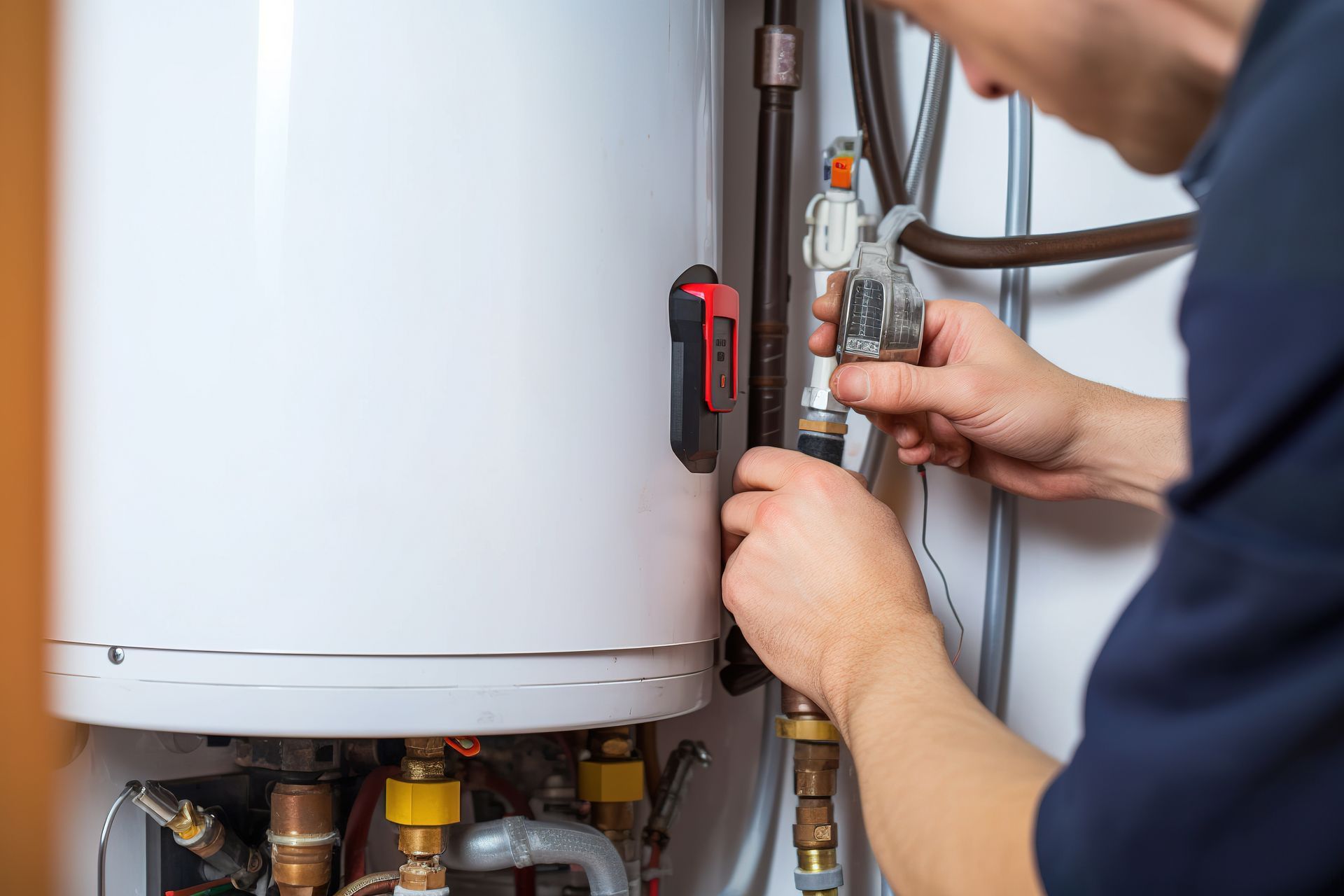
Ask your plumber to quote both options before deciding. Any reputable plumber will give you both numbers honestly.
The Repair vs Replace Decision at a Glance